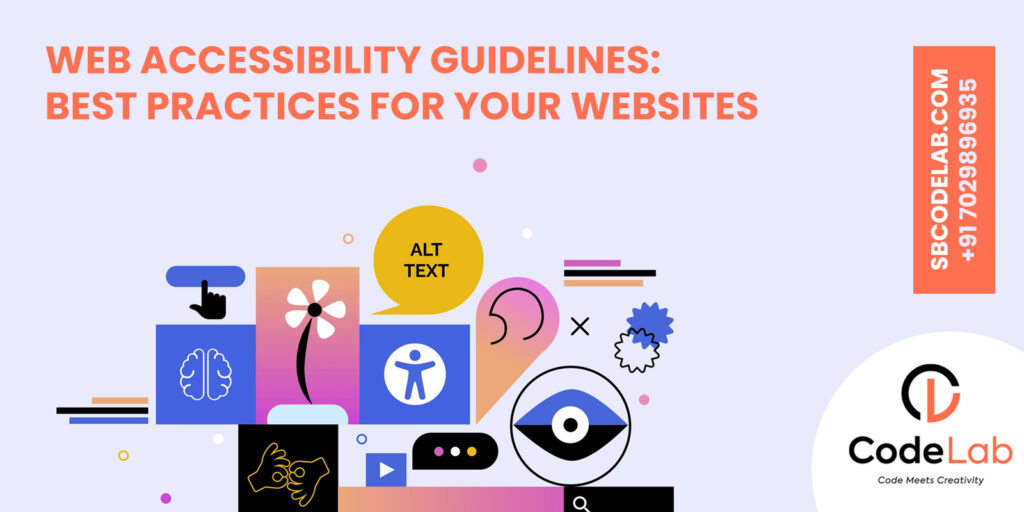

Web accessibility refers to the practice of designing and developing websites so that people with disabilities — including visual, auditory, motor, and cognitive impairments — can use them effectively. An accessible website supports assistive technologies such as screen readers, keyboard navigation, voice commands, and alternative input devices.
Global standards like the Web Content Accessibility Guidelines (WCAG) provide a structured framework for implementing accessibility across design, content, and development. These guidelines help ensure that websites are usable by everyone, regardless of physical or technological limitations.
Why Web Accessibility Matters for Businesses
1. Web Accessibility Promotes Digital Inclusion
Accessibility removes barriers that prevent users with disabilities from accessing online content. Inclusive websites allow everyone to participate equally, strengthening trust, brand reputation, and social responsibility.
2. Web Accessibility Improves Overall User Experience
Accessible websites are easier to navigate, understand, and use. Features such as clear headings, readable typography, logical navigation, and descriptive links benefit all users — including mobile users and older audiences.
3. Web Accessibility Boosts SEO Performance
Search engines favor accessible websites because accessibility improvements align closely with SEO best practices. Web accessibility helps:
- Improve crawlability through semantic HTML
- Enhance image search rankings with optimized alt text
- Reduce bounce rates through better usability
- Support Core Web Vitals and mobile performance
In short, accessibility and SEO work together to increase traffic and visibility.
4. Web Accessibility Supports Legal Compliance
Many regions enforce accessibility regulations such as ADA (Americans with Disabilities Act), Section 508, and WCAG 2.1. Failing to meet accessibility standards can expose businesses to legal risks, penalties, and lawsuits.
5. Web Accessibility Expands Market Reach
By prioritizing accessibility, businesses can reach a wider audience, including users with permanent disabilities, temporary impairments, and situational limitations. This expanded reach often leads to higher engagement and conversions.
Core Principles of Web Accessibility (WCAG – POUR)
WCAG guidelines are built around four essential principles:
- Perceivable: Content must be available through sight, sound, or assistive technologies
- Operable: Users must be able to navigate the site using a keyboard or alternative inputs
- Understandable: Content and navigation should be clear and predictable
- Robust: Websites must work reliably across browsers and assistive technologies
Following these principles is fundamental to achieving effective accessibility compliance.

Web Accessibility Best Practices for Inclusive Websites
At SB Code Lab, we follow industry-proven web accessibility best practices to ensure compliance and performance:
Use Semantic HTML
Proper use of headings, landmarks, and structural elements improves accessibility while helping screen readers and search engines interpret content correctly.
Provide Descriptive Alt Text
Alt text is critical for accessibility, allowing visually impaired users to understand image content while improving image SEO.
Ensure Full Keyboard Accessibility
Menus, buttons, forms, and interactive elements must be usable without a mouse to meet web accessibility standards.
Maintain Proper Color Contrast
Sufficient contrast between text and background improves readability for users with low vision or color blindness.
Create Accessible Forms
Clear labels, instructions, and error messages are essential components of accessible web forms.
Use ARIA Roles When Necessary
ARIA attributes enhance accessibility for dynamic elements such as modals, sliders, and interactive components.
Test Web Accessibility Regularly
Accessibility testing using tools like Lighthouse, WAVE, AXE, NVDA, and VoiceOver helps identify and fix issues before they impact users.
Web Accessibility and SEO: A Long-Term Growth Strategy
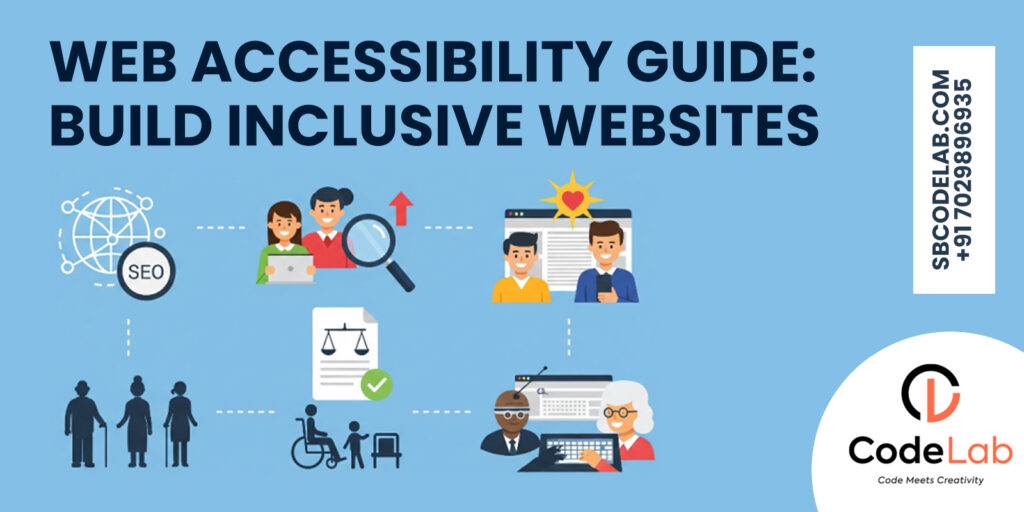
An effective accessibility strategy delivers measurable business benefits, including:
- Higher search engine rankings
- Better user engagement and retention
- Improved conversion rates
- Reduced legal and compliance risks
Accessible websites are not only inclusive — they are faster, cleaner, and more scalable.
Final Thoughts: Why Web Accessibility Is a Smart Investment
Accessibility is an investment in inclusivity, performance, and future-proof digital growth. Businesses that prioritize accessibility gain a competitive edge while delivering better experiences for all users.
At SB Code Lab, we specialize in accessibility audits, WCAG remediation, ADA compliance, and inclusive website development. If your website isn’t accessible yet, now is the time to take action.