

Why WCAG 2.2 Matters More Than Ever
In today’s digital landscape, WCAG 2.2 accessibility is no longer optional — it is a critical requirement for creating inclusive, compliant, and user-friendly websites. Web accessibility ensures that people with disabilities can perceive, understand, navigate, and interact with digital content effectively. The Web Content Accessibility Guidelines (WCAG) 2.2 introduce important enhancements that help businesses meet modern accessibility expectations while improving usability for all users.
What Is WCAG 2.2?
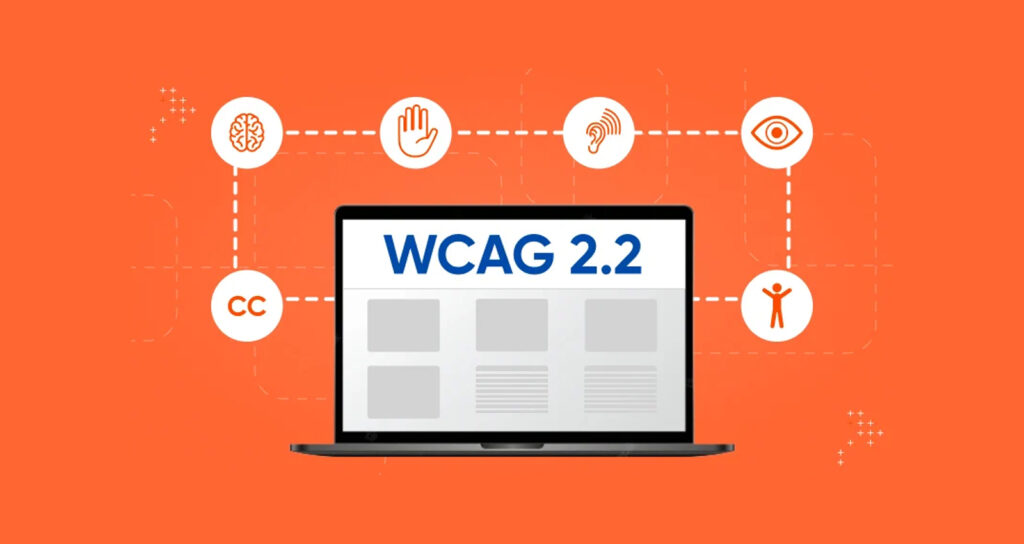
WCAG 2.2 accessibility refers to the latest version of the Web Content Accessibility Guidelines published by the W3C. WCAG 2.2 accessibility builds on WCAG 2.0 and 2.1 by adding new success criteria that improve usability for users with cognitive, motor, and visual disabilities.
By following WCAG 2.2 accessibility standards, websites automatically remain compliant with previous WCAG versions while offering a more inclusive experience.
Key Enhancements in WCAG 2.2
WCAG 2.2 introduces several new accessibility improvements to bridge gaps that users with disabilities continue to experience:
🔹 1. Focus Appearance and Visibility
New criteria ensure that when users navigate with a keyboard, the focus indicator (the outline showing where the cursor is) is highly visible and not hidden by sticky headers or pop-ups. This helps keyboard-only users stay oriented.
🔹 2. Dragging Motions Alternatives
Tasks that rely solely on dragging should also be achievable by simple point-and-click controls — vital for users with motor challenges.
🔹 3. Larger Target Sizes
Buttons and interactive elements must meet minimum target sizes so users with limited fine motor control can easily interact with them.
🔹 4. Consistent Help
Help content and support features must be predictable and consistent across pages — reducing confusion and enhancing usability.
🔹 5. Redundant Entry Avoidance
Forms should not make users enter the same information multiple times — a relief for people with cognitive disabilities.
🔹 6. Accessible Authentication
Logins and authentication processes must offer options that don’t rely strictly on cognitive tests or complex interactions.
Who Benefits Most from WCAG 2.2?
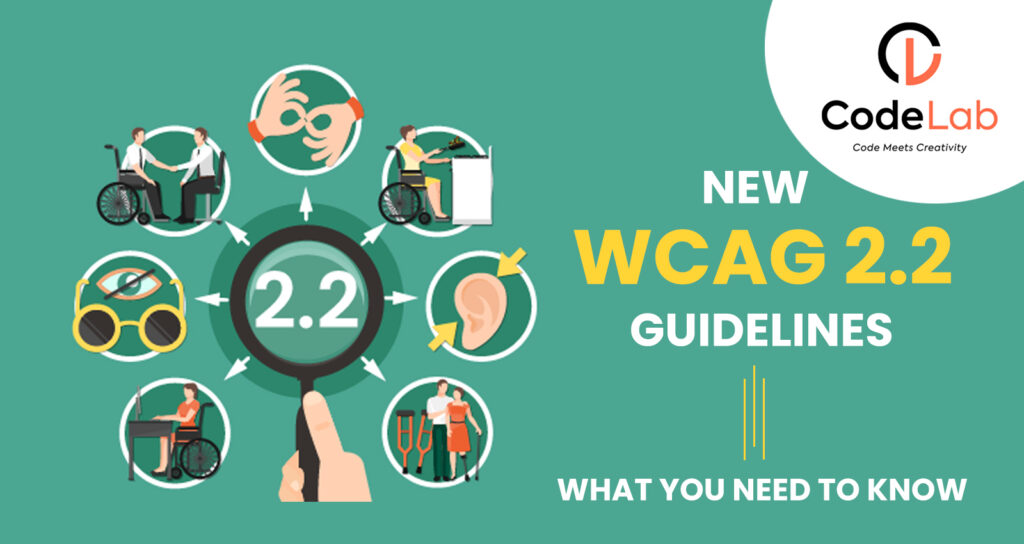
WCAG 2.2 improvements serve a wide range of users, including:
- Visual Impairments: better contrast, readable text, screen reader-friendly content.
- Motor Disabilities: larger clickable areas and simpler navigation.
- Cognitive Challenges: clear instructions, minimal repetition, predictable layouts.
- Hearing Impairments: captions, transcripts, and non-audio alternatives.
Simple Accessibility Best Practices for Your Website
Here are actionable steps you can implement today to align with WCAG 2.2:
Readable & High-Contrast Text
Ensure text is large enough and contrasted well against backgrounds for readability.
Keyboard-Friendly Navigation
All site features should be reachable via keyboard without traps.
Descriptive Link Text
Links should clearly state where they lead or what they do.
Text Alternatives for Media
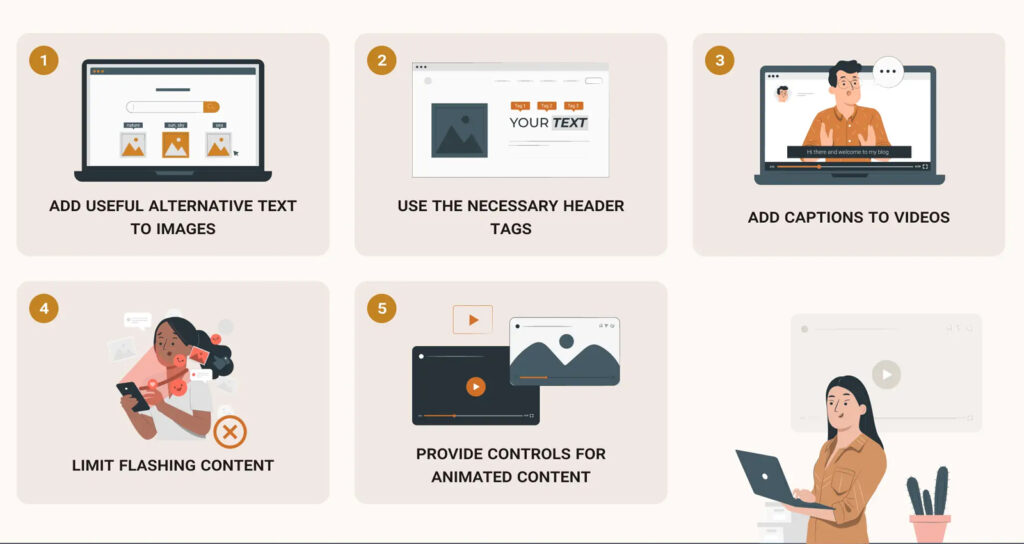
Add alt text for images and transcripts for video/audio.
Predictable Layouts
Consistency across pages helps users understand structure faster.
Business Benefits of WCAG 2.2 Compliance
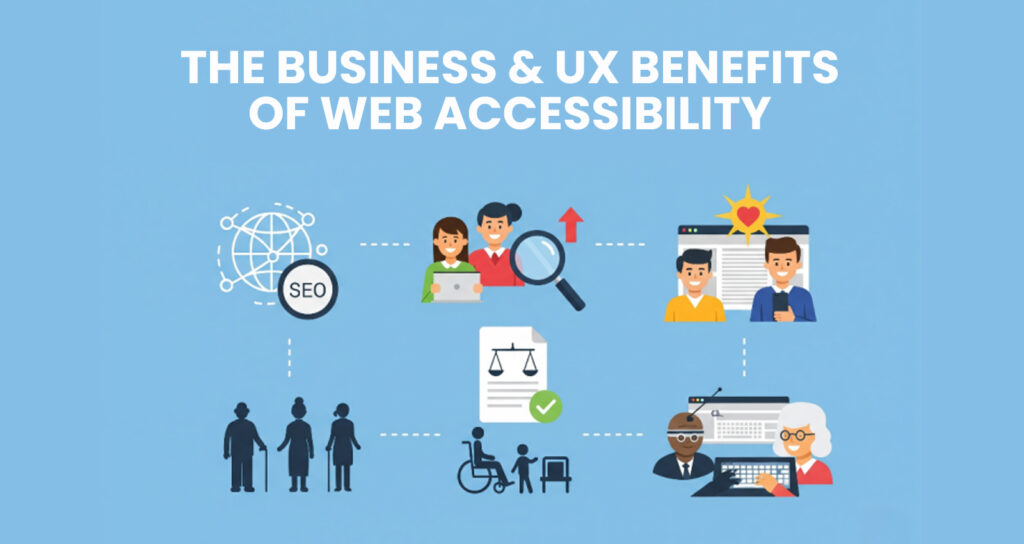
Adopting WCAG 2.2 isn’t just about accessibility — it’s good for business:
- Reduced legal risk due to regulatory compliance.
- Improved customer trust and loyalty.
- Better SEO as accessible sites rank higher on search engines.
- Increased user engagement and conversions.
Testing for WCAG 2.2 Compliance
To ensure your site meets accessibility standards:
- Manual Tests: Keyboard navigation, focus checks, readable text.
- Screen Reader Testing: Tools like NVDA, VoiceOver.
- Automated Tools: Accessibility auditors can flag issues early.
- User Feedback: Real-world testing with diverse user groups.
Conclusion: Accessibility Is a Must-Have
WCAG 2.2 takes web accessibility to the next level in 2026. By following these guidelines, your website becomes more inclusive, compliant, and user-friendly, benefitting users and your business alike. At SB Code Lab, we specialize in building accessible, future-ready web experiences that meet WCAG standards — reach out to us to make your digital presence more inclusive today.